
AI Medical Billing: How Automation May Streamline Claims Management

AI Medical Billing: How Automation May Streamline Claims Management — Compliance, Reporting, and Revenue Cycle Implications
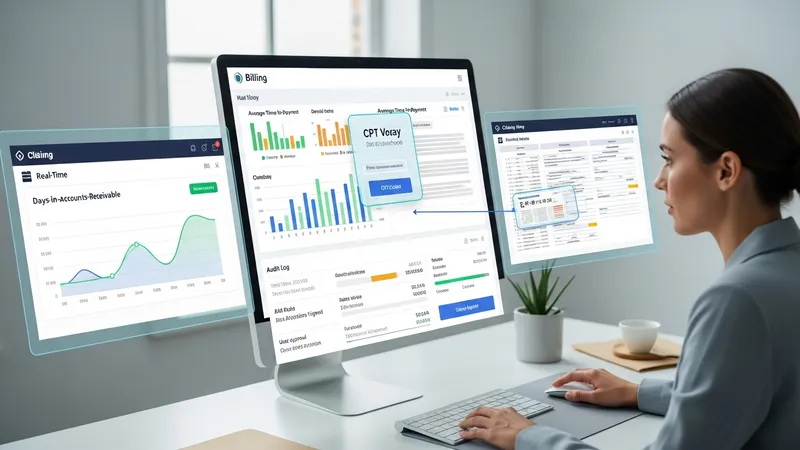
Automation in billing has implications for compliance and reporting, since coding and submission activities are subject to auditing and regulatory scrutiny. Automated systems typically generate logs that record rule applications, model confidence levels, and user actions, which can support audits and internal reviews. Reporting tools may consolidate metrics such as days in accounts receivable, denial rates, and average time to payment; these metrics often serve as indicators of where process improvements or additional training may be needed.
Compliance considerations often drive design choices about explainability and retention of documentation. For instance, maintaining an auditable trail that links a suggested code or automated change to the source documentation is commonly required for retrospective review. Privacy and security controls for protected health information must also be applied consistently across automation components, and organizations often document access controls and data lifecycle policies to align with regulatory expectations and internal risk management.
From a revenue cycle perspective, automation may affect upstream and downstream activities: earlier identification of missing documentation can reduce submission delays, and automated categorization of denials can improve recovery focus. Organizations typically monitor key performance indicators to assess whether automation changes correlating with these metrics are sustained. It is common to stage automation rollout so that impact can be measured and adjustments made without disrupting core revenue processes.
When evaluating reporting and compliance features, stakeholders often consider the granularity of logs, the ability to export data for external audits, and the clarity of model explanations. Practical deployment considerations include scheduling regular audits of automated decisions, training staff on reading automated reports, and planning governance meetings to review trends. These practices may help organizations adopt automation while maintaining visibility and control over claims management processes.