
Automatic Invoicing: How It Works And Key Features Explained

Tax calculations, compliance, and accounting integration related to Automatic Invoicing: How It Works and Key Features Explained
Tax calculation modules often rely on configured rate tables and product taxability rules. These modules may reference location data, product classifications, and exemption flags to determine applicable taxes. Systems can present a tax breakdown on invoices and produce summaries for reporting. Where tax rules change frequently, rule-based engines that allow updates without code changes are commonly used to reduce the need for engineering intervention and to maintain accuracy across regions or product types.
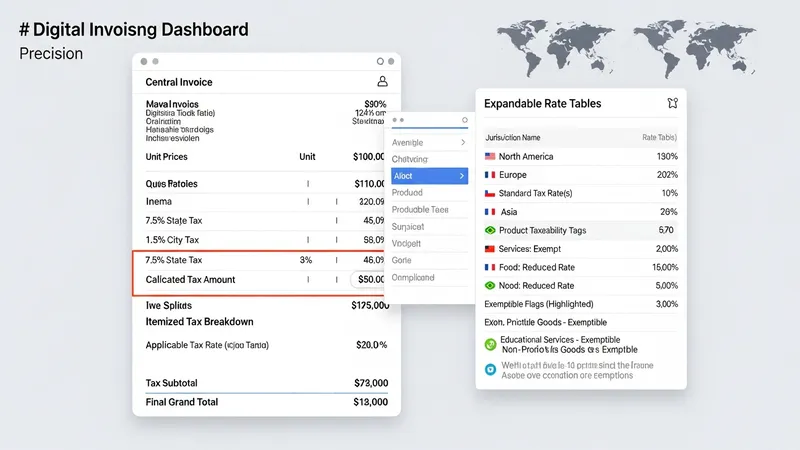
Compliance considerations include proper tax identification, supporting documentation for exemptions, and retention of invoice records for audit purposes. Automated systems may incorporate validation checks for required fields and generate audit trails that record who changed what and when. For jurisdictions with electronic invoicing mandates, systems can produce compliant formats or transmit invoices to government clearinghouses where required. These features tend to be important for organizations operating at scale or across multiple regulatory domains.
Accounting integration typically maps invoice records into general ledgers, revenue accounts, and tax liabilities. Automated posting can reduce duplicate entry but usually requires careful mapping between invoice fields and ledger accounts. Systems may support journal entry exports, real-time API posting, or batch file transfers to accounting packages. Periodic reconciliation between invoicing and accounting systems remains a common practice to confirm that recognized revenues and receivables align with invoiced amounts.
Practical considerations include handling currency conversion, rounding differences, and timing differences between invoice issuance and revenue recognition. When invoices cross accounting periods, teams may need to apply cut-off rules to ensure correct reporting. Implementing test scenarios and validation reports before full production rollout often helps identify mismatches. Ongoing review cycles can catch exceptions and provide data for tuning tax and accounting mappings.