
Automatic Pallet Wrapping Machine: How Automated Stretch Wrapping Systems Work

Automated pallet wrapping: safety features and regulatory considerations in Mexico
Safety features for automated wrappers typically include emergency stop circuits, safety light curtains, safety mats, and interlocked access panels. In Mexico, employers commonly reference workplace safety practices promoted by the Secretaría del Trabajo y Previsión Social (STPS) when implementing machinery safeguards. Local compliance efforts may focus on guarding moving parts, establishing lockout/tagout procedures for maintenance, and ensuring operator training. Facilities may also apply company-level procedures that align with recognized international safety practices while tailoring documentation and signage to Spanish-language requirements for clarity.
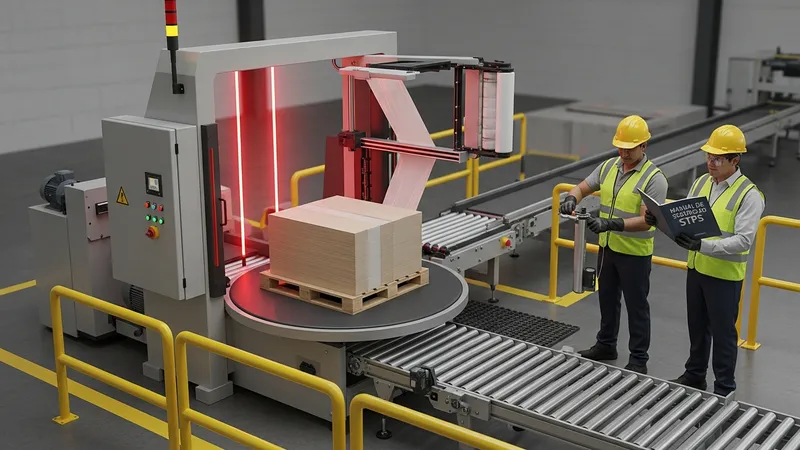
Machine placement and perimeter guarding are practical safety considerations. Wrappers placed on production floors often require marked zones and clear operator approaches to reduce pedestrian interaction with moving loads. Where conveyors feed wrappers, interlocks that prevent the wrapper from operating while access gates are open are commonly used. In Mexican operations with high pedestrian traffic in packing areas, light curtains or two-hand control options may reduce risk during film threading or roll changeovers. Employers commonly document these controls in local safety manuals and provide operator instruction in Spanish.
Maintenance safety emphasizes lockout/tagout and safe handling of film rolls, which can be heavy and awkward. Facilities often use roll lifts or handling tools to reduce strain and risk of dropping rolls during changeover. Preventive maintenance schedules may specify steps for safely de-energizing equipment, verifying stored energy release, and using authorized tools. These procedures are typically included in maintenance checklists and training programs to reduce incident risk and ensure continuity of operations in Mexican plants with varying workforce experience levels.
Regulatory awareness also covers waste handling and disposal of used stretch film. Some Mexican recycling programs and private collectors accept PE stretch film for recycling; operators commonly segregate used cores and film remnants to local recycling services. When specifying film types and auxiliary equipment, teams may consider film compactors or balers that reduce transport volume before sending material to regional recyclers. Aligning wrap operations with waste management practices can help facilities manage environmental footprint and local disposal costs.