
Business Platform Software: Key Features For Streamlined Operations

Integration, APIs, and extensibility for operational platforms
Platforms often provide RESTful APIs, webhook endpoints, or message-based interfaces to connect with external systems. API design choices influence how easily developers can orchestrate cross-system workflows and automate handoffs. Well-documented endpoints and stable versioning practices may reduce integration effort and long-term maintenance. Considerations include rate limits, authentication schemes such as OAuth, and error-handling patterns. Organisations frequently adopt middleware or integration platforms to normalise payloads and manage retries and mapping logic between disparate schemas.
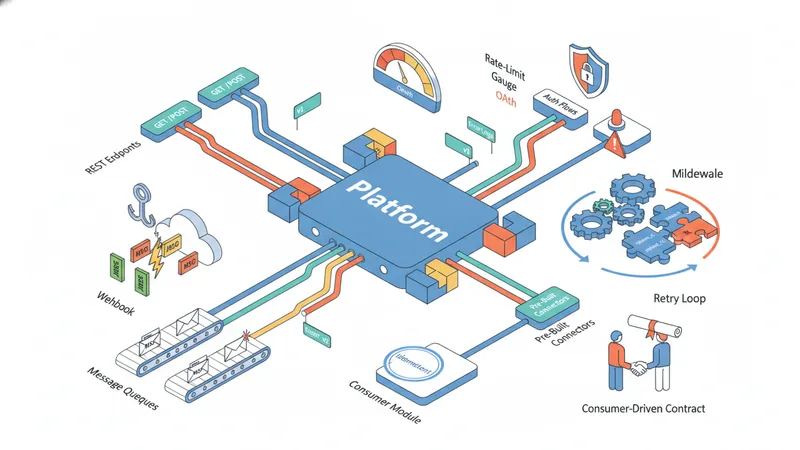
Connectors and pre-built integrations can accelerate adoption but may limit flexibility if they only cover standard use cases. Where bespoke integrations are required, common patterns include event-driven architectures with message queues and idempotent consumers to handle duplicates safely. API contracts should be explicit about expected payloads and side effects, and teams often establish consumer-driven contracts to help ensure changes do not introduce regressions in production environments.
Extensibility features such as plugin frameworks, scripting hooks, or low-code extension points allow organisations to adapt a platform without modifying its core. These mechanisms can support custom validations, field calculations, or integration adapters. When using extension points, it is prudent to maintain clear separation between custom extensions and core configuration so upgrades can proceed with minimal disruption. Versioned deployment practices and automated tests may help validate extensions across platform updates.
Insider tips include documenting integration flows and mapping logic, and storing transformation rules in a central repository. This practice can reduce onboarding time for new developers and make debugging easier when integrations fail. Teams often log correlation identifiers through end-to-end workflows to trace messages and actions across systems; such identifiers may be critical when investigating delays or data mismatches in operational processes.