
Car Injury Law Firms: How Legal Representation May Help After A Vehicle Accident

Communication with Insurers and Negotiation Processes for Car Injury Law Firms: How Legal Representation May Help After a Vehicle Accident
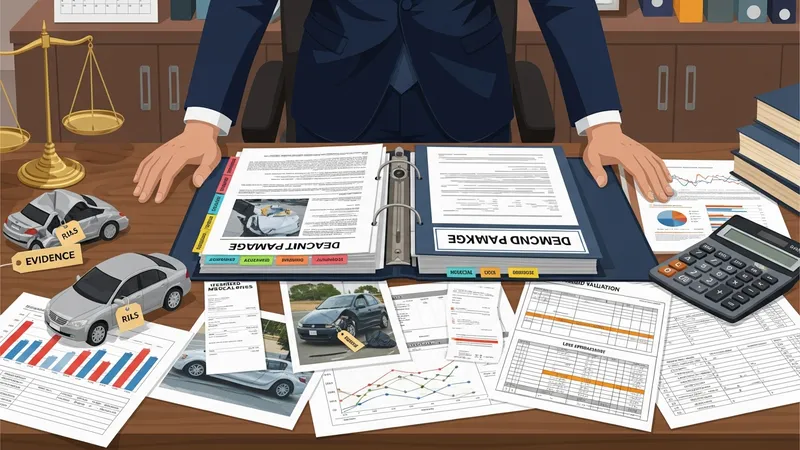
Communication with insurers typically follows formalized steps: notification of claim, submission of supporting documentation, exchange of written positions, and offer/counteroffer cycles. Law firms often prepare a demand package that lays out liability theory and itemizes losses, with attached evidentiary exhibits. Insurers generally respond through adjusters who evaluate coverage, liability, and damages; responses can range from acceptance of liability to partial denials or reservation of rights. The process may be iterative and can take weeks to months depending on complexity.
Settlement negotiation commonly involves valuation analysis that balances economic damages, non-economic losses, comparative fault considerations, and litigation risk. Firms may run scenarios that estimate potential recovery versus the costs and time of litigation to inform settlement discussions. Mediation or neutral evaluation sessions are sometimes used to facilitate resolution; these forums may be mandated by a court rule or agreed to by the parties. Each option has trade-offs related to confidentiality, timing, and procedural formality.
Communication strategy often includes written correspondence to preserve a record of positions and offers. Demand letters and settlement proposals typically enumerate claimed losses and attach supporting documents. Firms may document all insurer communications to ensure clarity about deadlines and to preserve arguments should the matter proceed to litigation. Maintaining a clear evidentiary trail can assist in rebutting insurer defenses that rely on gaps in documentation or inconsistent accounts.
Practical negotiation considerations include identifying available insurance limits and potential secondary sources, such as underinsured motorist coverage or third-party liability. In multi-vehicle or commercial-vehicle incidents, allocating responsibility and identifying financially available defendants can affect settlement feasibility. Legal counsel may therefore evaluate coverage structures and advise on how those layers could influence negotiation dynamics, while avoiding any promise of a particular outcome.