
Coro Cyber Security: Overview Of Integrated Cyber Protection For Modern Workplaces

Deployment, management, and operational considerations for integrated protection
Deployment planning for integrated protection typically addresses architecture, interoperability, and phased adoption. Organizations often begin with high-value assets or high-risk user groups to limit scope while verifying policy effectiveness. Integration points may include connectors to identity providers, mail systems, cloud platforms, and endpoint management tools. Successful deployments commonly document data flows, expected alert volumes, and vendor API limitations to avoid surprises during scale-up. Pilot phases can reveal tuning needs for detection rules and help refine incident response playbooks before broader rollout.
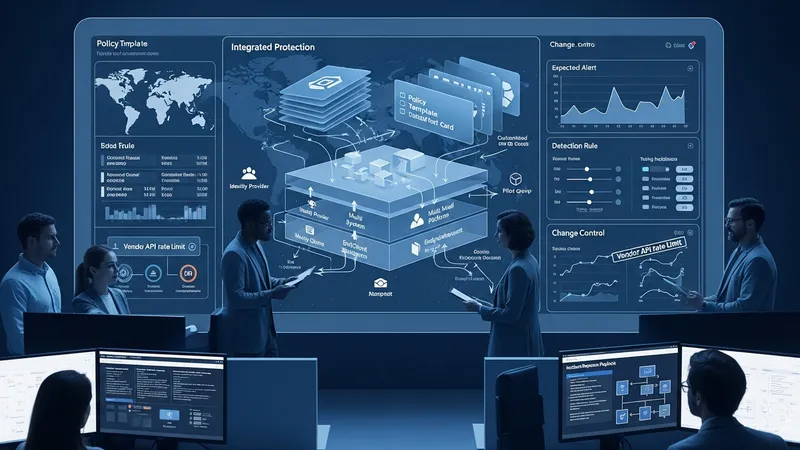
Management considerations encompass policy lifecycle, role assignments, and change control. Centralized policy templates may be applied and then fine-tuned for specific teams or locations. Role-based administration helps separate duties — for example, allowing policy authors to propose changes while requiring approvals from governance teams. Change-control procedures and staged rollouts reduce the risk of disruptive policy errors. Regular reviews of policy efficacy and incident trends can inform incremental adjustments to detection thresholds and containment actions.
Operational readiness includes training, runbooks, and exercises that validate the end-to-end incident handling path. Tabletop exercises and simulated incidents may surface gaps in automation, notification paths, or escalation procedures. Cross-team coordination with IT, legal, and business unit owners is important so that containment measures are aligned with operational needs. Documentation that captures expected behaviors for automated responses and manual interventions reduces ambiguity during actual incidents.
Ongoing evaluation often considers integration maintenance such as connector updates, API changes, and telemetry quality. Monitoring quotas, log retention costs, and alert tuning are recurring tasks to keep the integrated environment effective and sustainable. Periodic audits of configurations and alignment with compliance requirements help ensure that the integrated controls continue to support organizational risk management objectives without introducing unnecessary operational overhead.