
Google Business Automation: Streamlining Workflows With Integrated Tools

Access control, permissions, and third-party integration considerations
Access control is foundational for safe automation. Systems typically use role-based access control (RBAC) or scoped credentials so automated processes possess only the permissions required for their tasks. When multiple individuals and services interact with automation tools, least-privilege principles can limit the blast radius of compromised credentials. Credential rotation, centralized secret storage, and audit logs for credential use are often included as part of access management to support accountability and incident response.
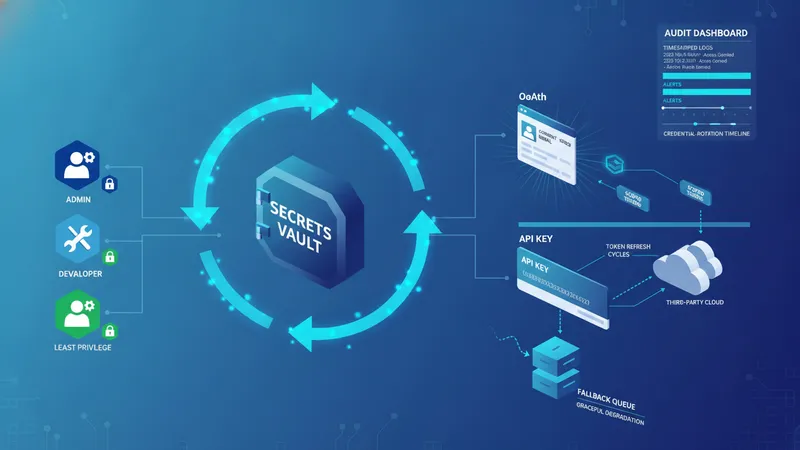
Third-party integrations commonly rely on OAuth or API keys; selecting the appropriate authentication method affects maintainability and security. OAuth often provides clear user consent flows and scoped access, while API keys may be easier to manage for machine-to-machine integrations. Teams frequently document each integration’s required scopes, expected rate limits, and error semantics so maintainers know how upstream changes might affect automation. Planning for token refresh and graceful degradation helps preserve basic functionality when an integration becomes temporarily unavailable.
Configuration and deployment practices can influence reliability. Infrastructure-as-code or version-controlled configuration for automation rules enables reproducible environments and rollbacks. Staging environments that mirror production help test automation changes against representative data without impacting live customer interactions. Change-management processes that include peer review and incremental rollouts often reduce the risk of unintended effects when altering automation logic or connectors.
Error handling and operational readiness are ongoing considerations. Implementations commonly include retry strategies, dead-letter handling for items that repeatedly fail, and dashboards that surface persistent failures. Escalation policies clarify when issues should move from automated recovery to human intervention. Documentation of common failure modes and standard remediation steps helps operational teams respond consistently and reduces mean time to recovery when automation behaves unexpectedly.