
Healthcare Revenue Cycle Management: Key Software Features For Hospitals And Clinics

Clinical data and coding integration for hospitals and clinics
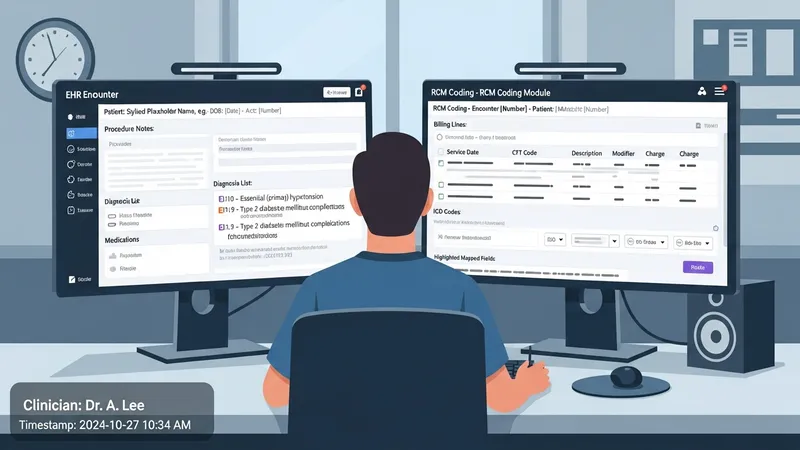
Interoperability between EHRs and RCM systems often underpins accurate coding and billing outcomes. Data exchange standards such as commonly used clinical messaging formats may be leveraged to transfer encounter details, procedure notes, and diagnosis lists into coding modules. When metadata—such as clinician identifiers and encounter timestamps—align across systems, the chance of mismatches may decrease. Facilities often plan integration testing cycles to validate that key fields map correctly and that updates to either system do not break interfaces.
Clinical documentation improvement (CDI) workflows may be embedded or linked to RCM modules to enhance code specificity. CDI processes can prompt clinicians for clarifications when documentation lacks detail needed for accurate coding. These prompts typically operate as non-mandatory queries that seek additional clinical context. Over time, CDI activities can shift coding patterns and may be measured by changes in code specificity, documentation completeness, or audit outcomes, bearing in mind that results may differ across specialties.
Code set maintenance is another practical consideration: coding standards and bundled payment rules may change periodically, and RCM systems typically support updates to ICD, CPT, or other relevant lists. Organizations often schedule regular updates and version control to ensure charge capture and claim logic reflect current coding rules. Maintaining a documented process for code updates and a rollback plan for interface issues can reduce operational disruption during transitions to new code versions.
Audit trails and edit histories within RCM software can support internal reviews and external audits. These logs often capture user actions, code changes, and claim edits, which may be valuable when reconciling disputed claims or responding to payer inquiries. Facilities commonly define retention policies for these records and may use audit outputs to guide coder training or to refine automated rules that drive charge capture and claim assembly.