
Home Automation: How Connected Devices Transform Everyday Living

Smart Security Systems and Sensors in Home Automation
Smart security systems combine locks, cameras, motion detectors, and contact sensors to provide event detection and reporting. These components may be integrated into a central hub that aggregates events for rule evaluation and notification. In many configurations, cameras may run local recording and cloud backup options, and door locks can provide access logs for authorized users. Designers often consider detection coverage, camera fields of view, and sensor tamper resistance to ensure that automated responses reflect real conditions and minimize false positives that could erode user trust.
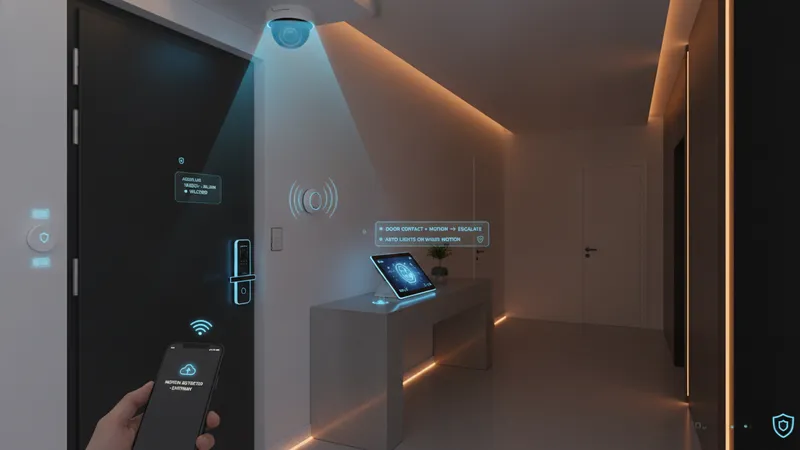
Interfacing security devices with other automation elements can enable contextual responses, such as turning on lights when motion is detected or arming certain zones automatically when occupants leave. Event correlation—combining inputs from multiple sensors before taking high-impact actions—may reduce unnecessary alarms. For example, requiring both door contact and motion detection before a security alert is escalated can lower false alarms. Such rule composition often relies on a hub or controller capable of evaluating multi-parameter conditions without excessive latency.
Privacy considerations receive particular attention in security deployments. Camera placement, retention policies for recorded video, and access control for viewing streams are practical matters that influence acceptance. Some implementers favor local storage with selective cloud backup to reduce continuous cloud exposure, while others use vendor services for managed recording and analytics. Clear configuration of sharing, notification settings, and retention schedules typically helps align system behavior with occupant expectations and legal considerations.
Operational maintenance for security sensors includes periodic battery checks, firmware updates, and validation of detection coverage after reconfigurations or structural changes. Regular testing of contact sensors and door locks ensures that automated arming and disarming behaviors remain reliable. When security systems are integrated with professional monitoring services, notification chains and escalation paths should be reviewed periodically to confirm they match current household routines and occupants’ preferences.