
Home Automation: How Connected Devices Transform Everyday Living

Home Energy Management, Automated Appliances, and Maintenance
Energy management and automated appliances extend automation benefits into household resource use. Smart meters, home energy monitors, and appliance-level monitoring can produce data that informs scheduling decisions—such as deferring a dishwasher cycle to off-peak hours or limiting charging for electric vehicles during high-rate periods. Connected appliances may support time-of-use scheduling, but coordinated control often requires a central policy engine or hub that can arbitrate competing demands. Practical deployments commonly balance convenience with energy objectives and treat automation as an adjustable layer rather than an immutable setting.
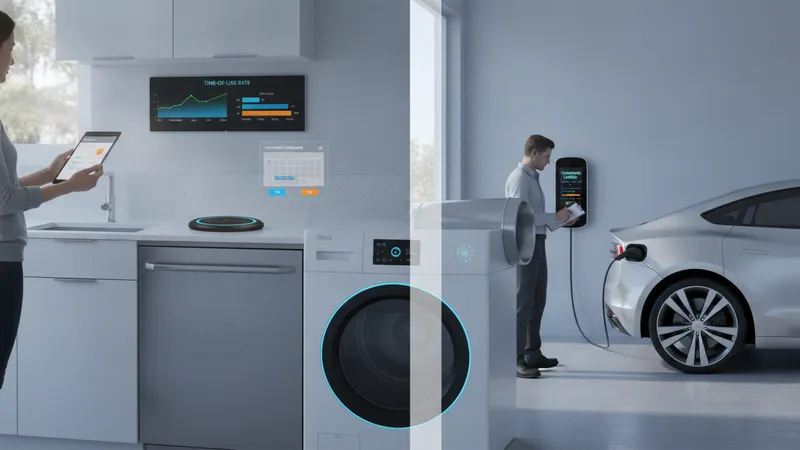
Appliance automation includes state reporting, remote start/stop, and integration with routines; however, safety constraints and warranty conditions may limit the extent of remote operation for certain devices. For example, initiating dryer cycles remotely may require confirming that venting and load conditions are suitable. Maintenance considerations include ensuring devices are compatible with existing electrical infrastructure and observing manufacturer guidance for connected operation. Regular inspection and adherence to electrical codes are part of responsible long-term operation.
Maintaining an automated home typically involves periodic review of automation rules, firmware updates, and calibration of sensors. Occupant routines evolve, and automations may need adjustment to remain relevant. Backups of configuration data, documentation of custom rules, and a basic recovery plan for replacing failed components can reduce downtime. When relying on third-party services, reviewing account access, data retention, and vendor update practices forms part of an ongoing maintenance approach rather than a one-time setup task.
Choosing a home automation setup often begins with defining priorities—whether convenience, energy efficiency, security, or privacy is foremost—and then mapping those priorities to device types and control models. Stakeholders commonly prototype with a few devices, assess interoperability, and scale gradually while keeping network and data flows under review. Continued reading of the previous sections may help clarify how specific device classes and connectivity choices interact in practical deployments, and may guide measured, informed decisions about expansion and maintenance.