
Metal Roofing: Key Materials, Styles, And Applications Explained

Applications, Maintenance, and Cost Factors for Metal Roofing
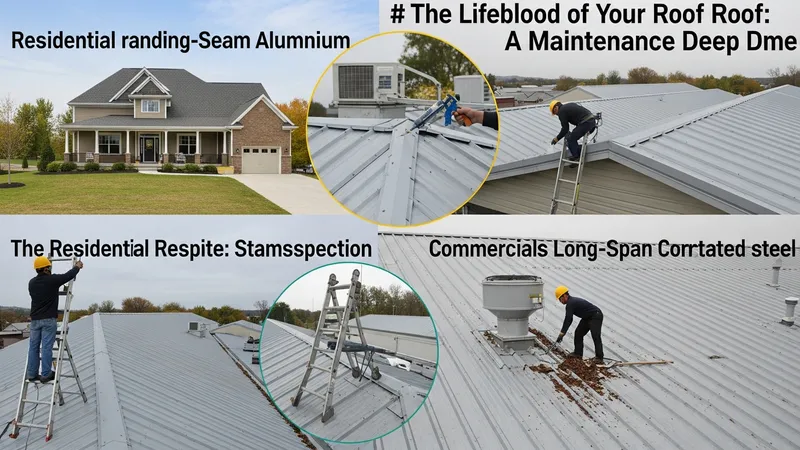
Metal roofing is used across residential, commercial, and industrial applications. Residential use often emphasizes appearance, weight, and compatibility with roof pitch, whereas commercial and industrial applications may prioritize economy, ease of installation, and long panel lengths. Agricultural buildings commonly use corrugated or through-fastened panels for simple coverage. Architectural uses may favor copper, zinc, or custom-finished panels for visual effect and patina development. Selection typically considers structural load capacity, insulation requirements, and local climate conditions.
Maintenance needs for metal roofs commonly include periodic inspection of fasteners and sealants, assessment of coating condition, and clearing of debris from gutters and eaves. Areas where different metals contact each other or where sealants age may require attention to prevent corrosion or leaks. Surface cleaning and touch-up painting may be performed to address localized coating damage. Maintenance intervals and specific actions often depend on the base metal, coating system, and environmental exposure, and they may influence anticipated lifecycle costs.
Cost factors include material type, panel profile, coating specification, roof complexity, and local labor rates. Metal roofs can range widely in installed cost depending on gauge, finish, and attachment method; for example, heavier-gauge metals and specialty alloys generally cost more than lighter gauges or standard painted steel. Roof geometry, penetrations, and accessory requirements (ridge caps, flashings, trim) increase installation labor and materials. Long-term cost considerations often include expected service life and projected maintenance rather than initial outlay alone.
When evaluating metal roofing for a specific project, typical considerations include structural load capacity, desired aesthetic, expected exposure conditions, and maintenance capacity. Specifying appropriate underlayment, compatible fasteners and flashings, and coatings chosen for the local environment may influence long-term performance. These factors together help inform design decisions and allow stakeholders to weigh trade-offs among weight, durability, appearance, and lifecycle costs.