
POS Systems: How Point Of Sale Technology Supports Retail Operations

Operational impacts, security considerations, and cost patterns for POS-supported retail operations
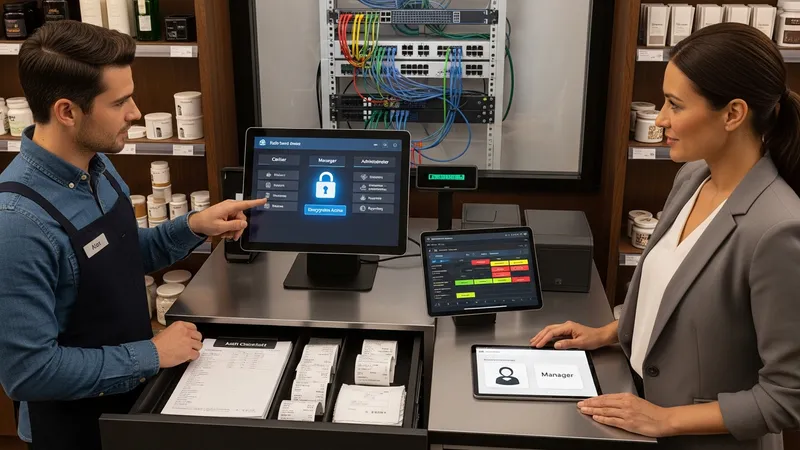
Introducing or upgrading a point-of-sale system typically affects daily workflows and staff training requirements. Cashiers and managers may need time to adapt to new interfaces, permission schemas, and reconciliation processes. Role-based access controls can help segregate duties and reduce fraud risk, but organizations often pair technical controls with procedural checks such as regular till audits. Training plans that include hands-on practice and written procedures commonly result in more consistent use of POS features across staff members.
Security considerations frequently center on payment data protection, user authentication, and system patching. Payment card industry standards and local regulations may influence technical controls such as end-to-end encryption and tokenization for card-present transactions. Regular software updates, secure password policies, and network segmentation for POS hardware can reduce exposure to threats. Retailers commonly plan periodic reviews of system access logs and reconciliation reports to detect anomalies that may warrant investigation.
Cost patterns for point-of-sale technology can include upfront hardware purchases, software licenses or subscriptions, payment processing fees, and integration or customization expenses. Subscription models may shift capital expenditure to operating expense, while one-time purchases can require ongoing maintenance budgets. When estimating costs, organizations often factor in peripheral replacement cycles, planned feature upgrades, and potential professional services for integration. Cost-benefit assessments typically consider both quantified factors such as reduced manual errors and qualitative impacts such as improved customer flow.
Data ownership and backup practices are important operational considerations. Systems that store historical transaction and customer data should have documented backup schedules and retention policies. Data portability—exporting sales, inventory, and customer records in standard formats—can support accounting needs or migration planning. Retailers often create contingency plans for data restoration and define recovery time objectives to limit operational disruption. These practices may be especially important for businesses that rely on POS data for regulatory reporting or supplier reconciliation.