
Regus Spaces: Understanding Flexible Office And Coworking Options

Types of workspaces and layout considerations within Regus-style flexible office networks
Private offices in flexible networks often range from single-person units to multi-room suites and may be furnished and connected with standard utilities. Layout decisions can influence collaboration and confidentiality: interior partitioning, glass walls, or solid partitions each affect sound control and visual privacy. Dedicated desks provide regular assigned workspace in a shared room, while hot desks are unassigned and intended for episodic use. Organisations often evaluate how each layout aligns with their workflow, remote-work patterns, and the need for meeting or collaboration spaces, bearing in mind that space availability can vary across locations and markets.
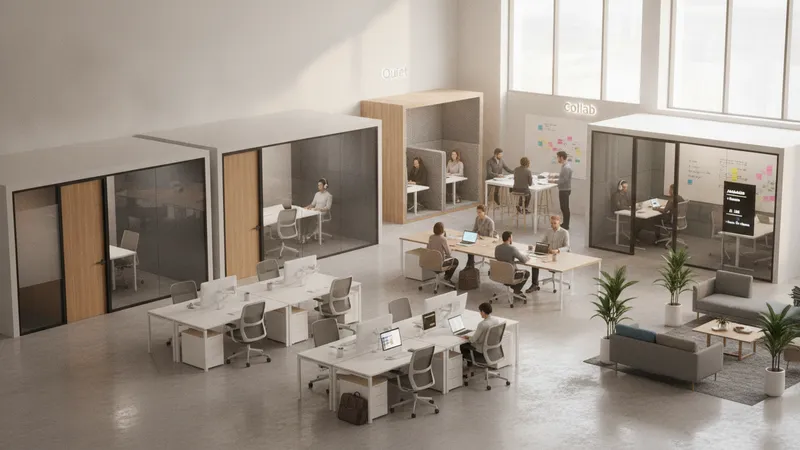
Coworking areas typically include communal seating, lounge spaces, and bookable rooms for short meetings; these spaces can foster informal interactions but may require policy around noise and phone use. Many operators segment zones by activity—quiet zones for focused tasks, collaboration zones for group work, and social areas for informal interaction. Choice of layout may affect employee experience and may influence retention and productivity indirectly, so companies often pilot arrangements or combine desk types to match hybrid working patterns and team structures.
Meeting rooms in flexible networks can be equipped with video-conferencing facilities, projection systems, and whiteboards, but venue features commonly differ by site. When selecting meeting spaces, organisations often consider room capacity, AV support, arrival logistics, and proximity to public transport. Hourly booking options permit intermittent access without long-term overhead; however, frequent external meetings may make recurring or bundled access more convenient. Providers commonly publish room specifications and booking rules to help clients select an appropriate room for the intended activity.
When assessing locations, proximity to transport, local amenities, and the surrounding business environment often factor into decision-making. Multi-location operators typically offer a network of buildings in central business districts and suburban areas, which can support distributed teams or satellite operations. Location choice may influence cost, commuting time for employees, and client perceptions; organisations frequently balance these variables against available budget and strategic priorities when integrating flexible spaces into their real estate strategy.