
Roofing Businesses Near Me: Key Factors For Evaluating Local Contractors

Licensing, Insurance, and Credential Verification for local roofers
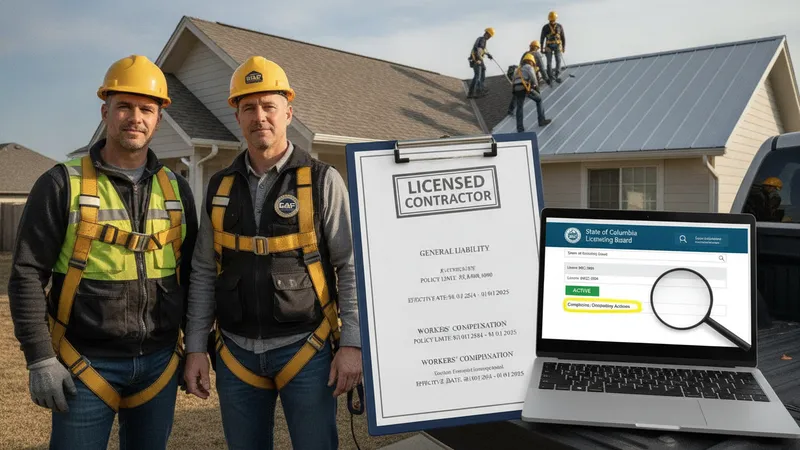
Licensing frameworks vary by jurisdiction but typically aim to confirm that a contractor meets specified business and trade requirements. Verification may involve checking a licensing board’s online database or requesting a license number directly from the contractor. Insurance verification usually involves reviewing certificates for general liability and workers’ compensation; these documents may list policy limits and effective dates. When examining credentials, it can be useful to note revocation or complaint records where public databases exist, and to treat credentials as one element within a broader evaluation of competence and reliability.
Trade associations and manufacturer certifications often indicate exposure to industry standards and product-specific training. Association membership can signal access to continuing-education resources, while manufacturer certification can indicate that a contractor has attended training for a particular product line. These affiliations may be useful to document but are not sole proof of quality. Observers may consider how long a contractor has been active, the scope of projects they commonly undertake, and whether their experience aligns with the specific roof type and materials relevant to the current project.
Inspections and references provide practical insight into how credentials translate to field performance. A site inspection by the contractor may reveal their approach to risk management, site protection, and installation sequencing. References and online reviews often describe scheduling practices, cleanup methods, and responsiveness to issues. These data points commonly complement document checks by offering examples of past interactions and outcomes. When reviewing references, readers may look for patterns across multiple sources rather than relying on single testimonials.
Recordkeeping practices can also be informative: contractors who provide clear, documented proposals and post-installation paperwork may signal an organizational approach that can reduce uncertainty during a project. Documents to request may include a written estimate, a contract with scope-of-work details, proof of insurance, and manufacturer warranty information. Keeping copies of these items can facilitate future claims or maintenance. These recordkeeping considerations often align with other credential checks and may help clarify responsibilities for both parties.