
Roofing Businesses Near Me: Key Factors For Evaluating Local Contractors

Estimates, Contracts, Timelines, and Warranty Structures
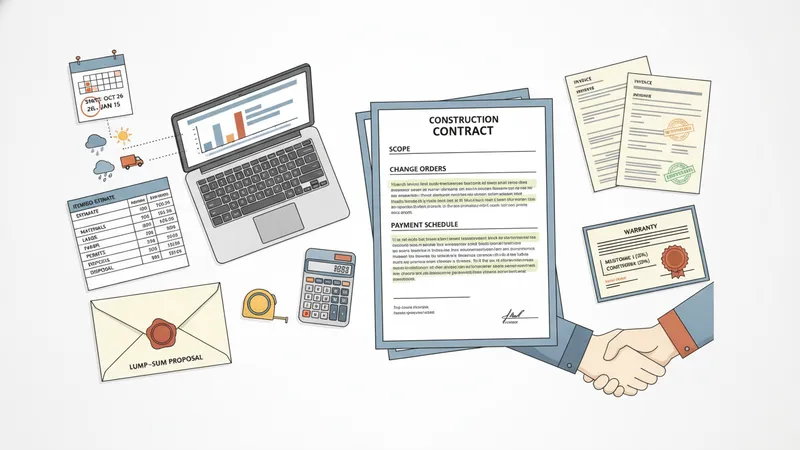
Estimate formats vary and may be presented as itemized or lump-sum proposals. An itemized estimate breaks down costs for materials, labor, permit fees, and disposal, which can help clarify which components drive price variations. A lump-sum approach aggregates those elements into a single figure and may be simpler to compare in some contexts. Timelines are often presented as estimated start and completion dates and may note dependencies such as material lead times or weather. These estimates are typically conditional and may change due to unforeseen site conditions or scope adjustments.
Contract clauses commonly address scope definition, change-order procedures, payment schedules, and site responsibilities. Clear scope definitions may list materials by type and provide installation details to reduce ambiguity. Change-order language outlines how additional work or design changes will be priced and approved. Payment schedules may be tied to milestones; observers often view balanced schedules as a risk-management tool for both parties. Contracts that include dispute-resolution methods and documentation requirements can also clarify expectations if disagreements arise.
Warranty structures generally include manufacturer warranties for materials and separate workmanship warranties from installers. Manufacturer warranties often cover material defects under specified conditions and may require installation practices that conform to written instructions. Installer warranties typically cover defects in workmanship for a specified time after completion. Understanding the length, coverage scope, and conditional requirements of each warranty type may help set realistic expectations about what is remedied by whom and under what procedures.
Timelines and seasonal considerations can affect scheduling and outcomes. Roofing projects may be influenced by local weather patterns and busy-season demand, which can extend lead times. Contractors may often schedule work to optimize drying and adhesion conditions for certain materials. Observers may consider planning windows and potential contingencies for weather or material delays when interpreting timeline estimates. This contextual awareness can assist in setting pragmatic expectations for project progression and completion.