
Sage Accounts Payable Automation: Understanding Key Features And Workflow Capabilities

Reporting, audit trails, compliance, and implementation considerations
Reporting capabilities in accounts payable automation often include dashboards on invoice aging, processing cycle times, exception counts, cash obligations, and supplier performance metrics. Audit trails record each action on an invoice—from capture to approval to payment—storing timestamps and user identifiers. These records support internal controls and regulatory compliance by creating a searchable history of decisions and adjustments. Reporting configurations may allow export to spreadsheets or visualization tools for deeper analysis.
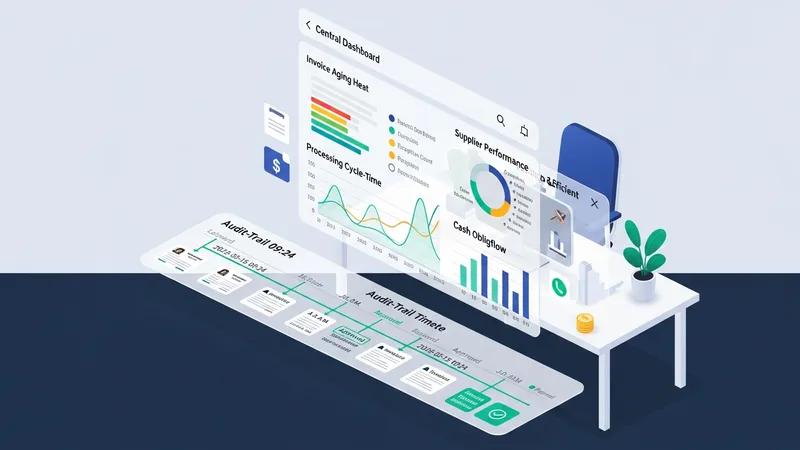
Compliance considerations include retention of original invoice images, secure storage of financial records, and role-based access to sensitive payment information. Systems may provide configurable retention periods and encryption for data at rest and in transit. Audit functionality often supports review of changes to master data and workflow rules, ensuring authorized change management. Organizations typically align retention and access policies with relevant tax and accounting standards applicable in their jurisdiction.
Implementation commonly proceeds in phases: scoping, pilot deployment for selected supplier segments, iterative rule tuning, and staged roll-out. Early phases often focus on high-volume, low-complexity invoices to validate capture and matching accuracy. Change management items include training for approvers, updates to procurement and supplier onboarding processes, and clear documentation of escalation paths. Measured rollouts may reduce disruption and allow refinement of exception handling practices.
Key metrics to monitor after deployment commonly include percentage of invoices captured automatically, auto-match rates, average approval time, and exception aging. Continuous monitoring supports incremental improvement of parsing rules, workflow logic, and supplier communication. Over time, analytics from these metrics may inform negotiation of payment terms, supplier consolidation efforts, or further process automation initiatives, while maintaining the control and traceability required for financial governance.