
Small Business Ideas In The USA: Practical Options For New Entrepreneurs

Marketing, Customer Acquisition, and Revenue Models for Small Business Ideas in the USA
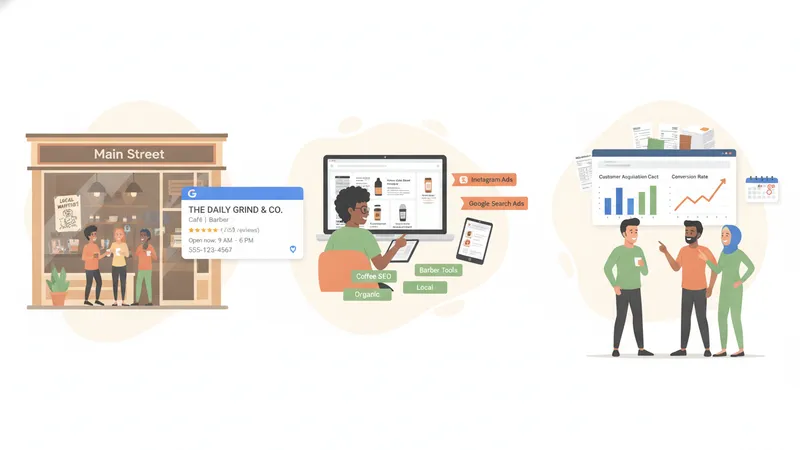
Marketing approaches for U.S. small businesses vary by concept and target customer. Local service providers often combine local search optimization, community listings, and targeted flyers or partnerships with complementary local businesses. E-commerce sellers may use marketplace listings, search engine optimization for product pages, and paid advertising on platforms such as Google Ads or social media. Tools like Google Business Profile help local businesses appear in search results and often include hours, contact methods, and reviews.
Customer acquisition costs and channels typically differ by business model. Marketplaces can provide built-in traffic but usually at a cost in fees and competition. Direct-to-consumer websites may require investment in content, search optimization, and paid promotion. Service businesses often rely on repeat customers and word-of-mouth referrals; systematic invoicing and appointment management systems can improve client retention. Tracking lead sources and simple conversion metrics may help refine where limited marketing resources are most effective.
Revenue models commonly seen among U.S. small businesses include one-time product sales, hourly or project-based service fees, subscription or membership models for recurring services, and hybrid approaches combining product and service income. For example, a consulting practice may charge per-project fees while also offering a subscription-based advisory service. Each model may imply different cash-flow patterns and billing practices; careful invoicing and payment processing setups can reduce administrative friction.
Measurement and iteration are central to marketing and revenue planning. New entrepreneurs often start with small pilots to measure customer interest and conversion rates before scaling marketing spend. Reviewing simple performance indicators — revenue per customer, repeat purchase rate, and gross margin — can inform adjustments to pricing, service scope, or channel focus. Local business resources and analytics tools may provide further data to refine customer acquisition approaches.