
Lead Management System: How It Organizes And Tracks Prospective Customers

Pipeline tracking, assignment rules, and workflow automation for prospective customer handling
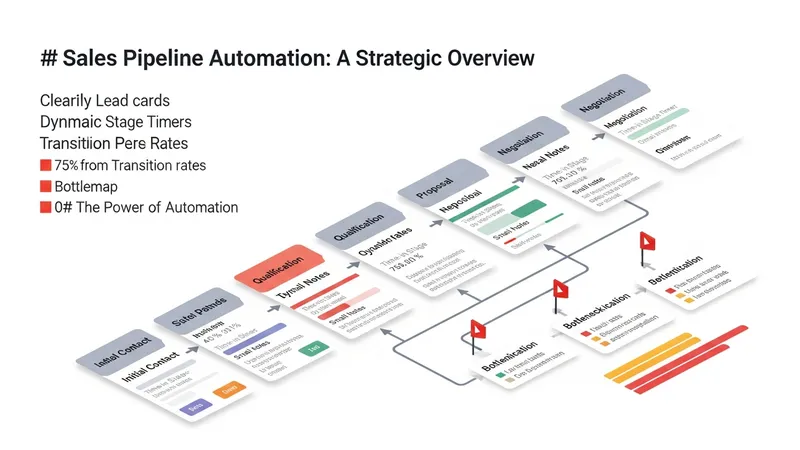
Pipeline tracking typically maps stages that reflect organizational processes such as initial contact, qualification, proposal, and negotiation. Each stage may have clearly defined entry and exit criteria that relate to observable actions or documented evidence. Tracking time-in-stage and transition rates helps identify stages where prospects stall. Visual pipeline boards or kanban views often make it easier for teams to inspect workload distribution and to spot pipeline imbalances without implying prescriptive actions.
Assignment rules route leads to specific individuals or teams based on geography, product interest, account size, or round-robin distribution. Rules may be deterministic or weighted, and they often include fallbacks for unassigned leads. Maintaining transparent rules and documenting exceptions assists in managing expectations about follow-up responsibilities and ensuring leads are not inadvertently neglected due to ambiguous ownership.
Workflow automation can handle routine tasks such as sending acknowledgement messages, scheduling follow-ups, or creating tasks when certain conditions are met. Automation typically reduces manual steps and enforces consistency, but overautomation can create rigid flows that do not fit every prospect scenario. Organizations often start with a few common automations and iteratively expand based on observed benefits and edge cases.
Handoffs between marketing and sales are operational points where clarity matters. Defining what constitutes a sales-ready lead and how marketing-qualified leads transfer to sales roles helps reduce confusion. Service-level expectations for response time are often documented as internal agreements rather than absolute rules, and teams may monitor adherence through time-to-contact metrics to better align capacity with lead inflows.