
Remote Patient Monitoring Devices: Understanding Connected Health Technologies And Their Uses

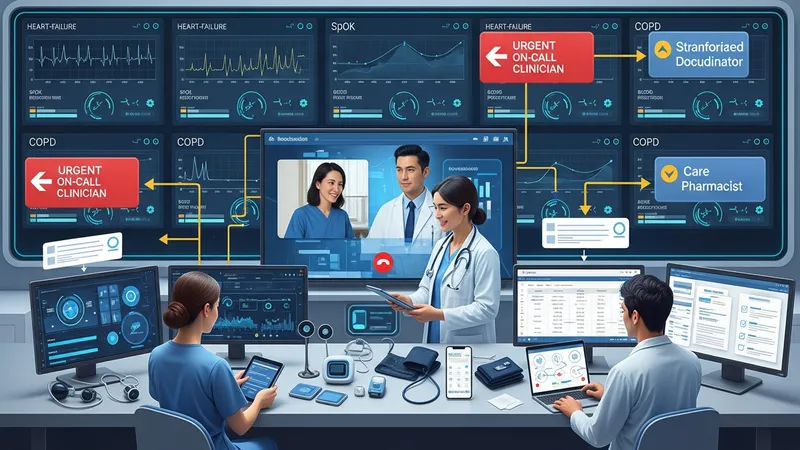
Clinical workflows, applications, and care-team considerations
Remote monitoring has applications across chronic disease management, post-acute care, and preventive surveillance. In chronic conditions such as heart failure or COPD, regular remote measurements may help identify early signs of decompensation; in postoperative care, vitals and activity trends may support safe transitions. Implementations usually define target populations, monitoring intervals, and outcome metrics to ensure alignment with clinical goals. Care teams may include nurses, advanced practice clinicians, and pharmacists who share responsibilities for reviewing data, triaging alerts, and adjusting care plans according to predefined protocols.
Workflow design often specifies who reviews monitoring data, how frequently reviews occur, and how out-of-range values are escalated. Triage protocols can route urgent alerts to on-call clinicians while routine trends may be managed by care coordinators. Documentation templates and standardized note elements can reduce ambiguity when actions are taken based on remote readings. Operationally, staffing models and time allocation are important considerations because data review and follow-up tasks may add to existing clinical workloads unless processes are optimized or supported by automation and triage rules.
Patient-facing considerations include onboarding, education, and ongoing support. Successful monitoring programs commonly include initial training sessions, clear written or video instructions, and accessible technical support channels. Usability testing and iterative feedback loops with patients can reveal common failure modes—such as pairing errors or charging lapses—and inform changes to device choice or educational materials. Patient acceptance may vary with age, technical literacy, and perceived benefit, so programs often monitor adherence rates and adjust engagement strategies accordingly.
Measurement of program performance typically tracks process and outcome indicators, including adherence to scheduled measurements, alert volumes, response times, and clinical endpoints relevant to the monitored condition. Evaluations may compare monitored cohorts to historical controls or examine within-cohort trends. Evidence syntheses commonly find heterogeneous results because outcomes depend on device selection, integration quality, clinical workflows, and population characteristics; therefore, ongoing local evaluation is often used to refine monitoring parameters and resource allocation.