
Remote Patient Monitoring Devices: Understanding Connected Health Technologies And Their Uses

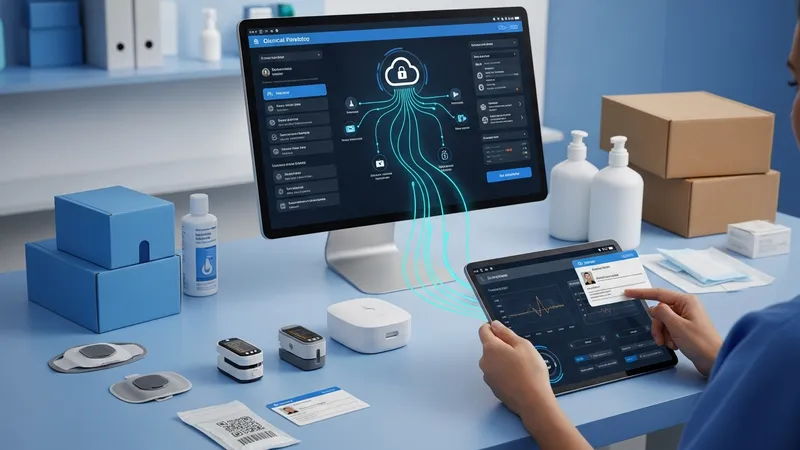
Device provisioning, privacy safeguards, and program evaluation metrics
Provisioning and asset management encompass inventory tracking, secure device enrollment, and policies for device return or disposal. Enrollment workflows often assign a device to a patient identifier, document pairing credentials, and record baseline calibration or verification readings. Tracking mechanisms may record serial numbers, firmware versions, and maintenance history to support accountability and troubleshooting. For programs with loaned hardware, logistics for shipping, replacement, and sanitization are practical elements that influence long-term operational costs and device uptime.
Privacy and security controls are central to protecting patient data collected by remote monitoring systems. Common safeguards include unique device authentication, encrypted channels for data in transit, encrypted storage, and role-based access controls for clinician dashboards. Audit logging and incident response plans help detect and address breaches or unauthorized access. Consent processes and clear patient-facing privacy notices that describe what data is collected, how it will be used, and retention periods are often incorporated to support transparency and regulatory compliance.
Quality assurance and maintenance practices help ensure data reliability over time. Firmware management and secure update mechanisms allow devices to receive security patches and performance improvements; however, updates may need staged testing to prevent service interruptions. Routine checks—either automated or manual—can detect drift in sensor accuracy or connectivity degradation. Programs commonly track device failure rates and mean time to repair or replacement as operational metrics that affect program sustainability and patient experience.
Evaluation metrics for monitoring programs span usability, clinical, and economic domains. Usability measures may include adherence rates and patient satisfaction; clinical metrics might monitor hospitalization rates, symptom scores, or time to intervention for alerts; economic evaluations often consider resource use and staffing implications. Interpreting these metrics typically requires contextualizing them within the monitored population and the program’s workflows. Summative evaluations can inform decisions about scaling or modifying the monitoring approach, and continuous monitoring of key indicators supports iterative improvement.