
Senior Camper Van Living: Daily Life, Routines, And Practical Considerations

Mobility, Maintenance, Utilities, Budgeting and Community Aspects of Senior Camper Van Living
Mobility and ongoing maintenance are intrinsic to life in a van and typically shape daily and weekly routines. Vehicle maintenance schedules for tires, brakes, fluids, and electrical systems can be planned to coincide with travel routes to minimize interruption. Mobility considerations include ease of entering and exiting the van, securing mobility aids during transit, and ensuring seating positions support safe driving posture. Regular checks of systems—battery state, tire pressure, and fluid levels—may become part of a predictable maintenance routine to reduce the likelihood of service needs while on the road.
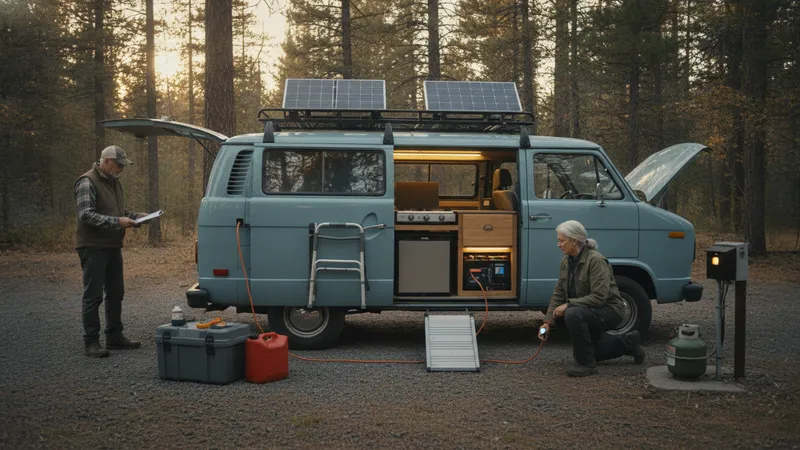
Utilities and power management influence daily comfort and planning. Solar panels combined with properly sized battery banks may support lighting, refrigeration, and small appliances, while shore-power connections at campgrounds can be used for heavier loads or battery charging. Conserving energy through LED lighting, low-draw appliances, and mindful charging habits can make power use more predictable. Water refilling, waste emptying, and propane resupply are periodic logistical tasks that can be incorporated into travel planning and route selection.
Budgeting for ongoing expenses typically includes fuel, maintenance, campsite fees, utilities, insurance, and occasional repairs. Costs can vary widely by region and season and may be expressed conservatively when planning. Tracking regular expenditures and establishing a modest contingency buffer for unexpected repairs may help maintain continuity of daily routines. Insurance and registration considerations, including coverage for modifications, may influence long-term planning and should be reviewed with qualified sources relevant to one’s travel region.
Social and community life can be a supportive element for older adults living in vans. Many people form routines around local services, community centers, or campsite meetups that provide social contact and practical assistance. Planning for reliable connectivity—cellular data or Wi‑Fi access—may support telehealth consultations, communication with family, and participation in online communities. Establishing a predictable schedule for social contact and local services can enhance well-being and make daily life in a van more sustainable over time.